

Understanding Loteria: More Than Just a Game
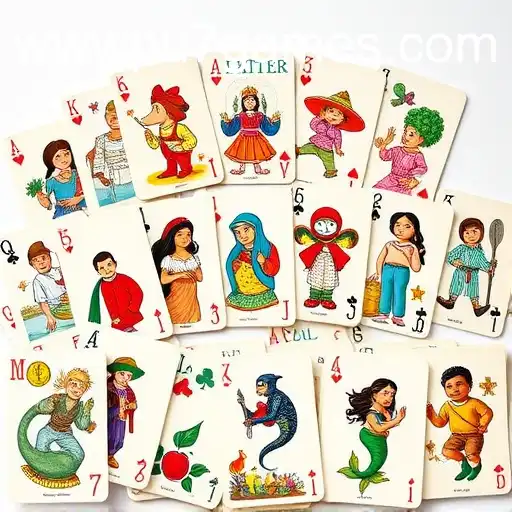
Loteria, often dubbed the Mexican bingo, is not just a game but a cultural phenomenon that has been a staple in Mexican households for generations. Unlike traditional bingo, which relies on numbers, Loteria uses a deck of 54 unique cards, each featuring vibrant pictures and iconic symbols deeply rooted in Mexican culture. This visual richness contributes to its enduring popularity, making it a cherished pastime among many, both in Mexico and across the globe.
The Origins of Loteria
The history of Loteria dates back to the 15th century, with its roots planted in Italy before making its way to Spain. However, the version that has become iconic is the one that arrived in Mexico in the late 18th century. Over time, this game evolved to reflect the cultural and societal nuances of Mexican communities, ultimately leading to the creation of the set of cards we recognize today.N58
Each card within a Loteria deck is accompanied by unique artwork. These illustrations depict a variety of characters, objects, and concepts such as "La Sirena" (The Mermaid), "El Catrin" (The Gentleman), and "La Luna" (The Moon). The artistic designs are often steeped in allegorical meanings, providing players with a connection to Mexican heritage and folklore.DW8
The Structure and Gameplay of Loteria
Loteria is commonly played in a manner similar to bingo, but with its own flair and style. The game involves a cantor, or announcer, who draws cards from a deck and describes each one to the players. Players have tablas—unique boards with a randomized selection of images, which can be tailored to represent cultural and regional identities.
Participants mark off images on their boards in response to the cards drawn by the cantor. The first player to complete a predetermined pattern yells "Loteria!" signaling their win. The diversity of images and potential storytelling involved in describing the cards add layers of fun and engagement to the game, often making a simple pastime an immersive cultural experience.Luck88
Cultural Impact and Significance
Loteria serves as much more than just entertainment in Mexican society; it plays a key role in educational and cultural expression. Many educators utilize Loteria as a tool to teach language, as the association between words and images helps to develop vocabulary and comprehension skills. Additionally, it serves as a mode of sustaining cultural heritage, introducing younger generations to historical and socially significant imagery.
The game also acts as a social binder, bringing families and communities together. It is often a feature of family gatherings, festivals, and community events, fostering a sense of camaraderie and shared cultural identity among players. By participating in Loteria, individuals engage with their cultural history and traditions in a lively and inclusive manner.NeyPG
Loteria in Digital Spaces
In recent years, the advent of technology and digital platforms has allowed Loteria to reach global audiences. Many websites and apps have adapted the game for online play, such as pu7.games, making it accessible to a wider audience. These digital representations strive to maintain the essence of traditional gameplay while providing the convenience of modern technology.PGBET
Online platforms often incorporate additional features, such as vibrant animations and social sharing capabilities, to enhance the user experience. Through digital transformation, Loteria continues to evolve, offering new avenues for interaction and cross-cultural exchange while retaining its unique cultural essence.
Conclusion
Loteria embodies more than merely a traditional pastime; it is a significant cultural artifact that encapsulates the rich tapestry of Mexican history and folklore. Whether played on a kitchen table during family gatherings or accessed through digital platforms like pu7.games, Loteria resonates with players not just as a game but as an artful celebration of cultural identity. It lives on as a cherished tradition, reflecting the vibrancy and diversity of Mexican culture across generations.